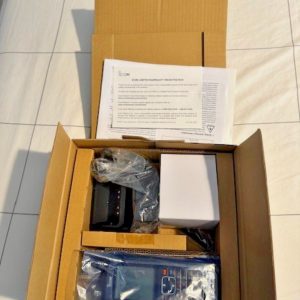
:::writingvariant="document" id="58314" ICOM IC-A25N Handheld NAV/COM Transceiver w/ Bluetooth – Open Box: Professional Aviation Backup Radio The ICOM IC-A25N Handheld NAV/COM Transceiver w/ Bluetooth – Open Box offers practical cockpit, emergency, training, and ground-use functionality in a compact handheld format. A carefully inspected open-box package can offer the operational benefits of a premium handheld aviation radio while helping owners control equipment costs. An ICOM IC-A25N Handheld NAV can support pilots who need a portable radio for cockpit backup, preflight monitoring, flight training, and general aviation communication. As an ICOM IC-A25N Aviation Radio, the transceiver may be more info used during normal flight operations, communication training, airport monitoring, ground coordination, and emergency preparation. The ICOM IC-A25N Handheld Radio can be carried conveniently in a flight bag, stored as backup cockpit equipment, used during preflight activities, or assigned to aviation personnel who require portable communication. Choosing a Handheld NAV/COM Aviation Transceiver can support organized flight preparation, backup planning, and portable cockpit communication. Whether a buyer is sourcing a Handheld Aviation Radio, Aviation NAV/COM Radio, Pilot Handheld Radio, or Aircraft Communication Radio, actual operating needs should guide the selection. The handheld format makes the unit relevant to buyers comparing Emergency Aviation Radio, Backup Aircraft Radio, ICOM Pilot Radio, and portable navigation communication equipment.
Exploring the ICOM IC-A25N NAV/COM Platform
The IC-A25N combines portable aviation communication capability with navigation-oriented features intended to support a broad range of pilot activities. A handheld NAV/COM platform can serve as primary portable equipment in suitable operations or as supplementary equipment alongside panel avionics. Portable equipment should be treated as part of a complete communication plan rather than a guaranteed replacement for every installed avionics function. Pilots should test the radio during routine conditions and become familiar with its operation before expecting to use it during an urgent situation.ICOM IC-A25N Handheld NAV Applications
An ICOM IC-A25N Handheld NAV may help pilots monitor frequencies, organize flight-related information, and maintain portable communication capability. Private pilots may carry the device during cross-country flights, aircraft repositioning, fly-ins, or travel in rented airplanes. Aviation navigation requires situational awareness, planning, current data, and understanding of aircraft and airspace requirements. A complete preflight review can confirm that the radio is charged, configured, accessible, and ready to support the planned operation.Benefits of an ICOM IC-A25N Aviation Radio
The handheld unit can support operations during aircraft maintenance, ramp movement, hangar work, or other situations where installed radios are not easily accessible. The radio may also be useful at aviation events, remote airfields, flight schools, maintenance shops, aircraft demonstrations, and airport operations areas. A complete written inventory helps purchasers compare the open-box price with the cost of replacing missing accessories separately. An independent review may provide additional confidence when the radio cannot be examined in person.ICOM IC-A25N Handheld Radio Portability
Portable operation can be valuable to users who fly several airplane types or who do not control the installed equipment available in every cockpit. The antenna should be protected from bending or crushing while the radio is transported with other equipment. Portability also allows the radio to be charged and configured away from the aircraft, helping pilots prepare frequencies and settings before entering the cockpit. A portable radio should not be left in extreme heat, direct sunlight, freezing conditions, or damp environments for extended periods.Handheld NAV/COM Aviation Transceiver Benefits
The integrated format can reduce the need to carry separate handheld receivers for several common aviation tasks. Buyers should compare interface design, battery options, charging arrangements, antenna quality, accessory availability, display readability, audio performance, and operational needs. Users should keep the operating guide accessible until they can manage essential functions without hesitation. Any abnormal heat, charging issue, intermittent audio, damaged control, loose connector, or battery swelling should be investigated before further operation.Maintaining a Handheld Aviation Radio
A Handheld Aviation Radio is a practical tool for private pilots, instructors, students, mechanics, aircraft owners, flight schools, and airport support personnel. The radio can also provide useful redundancy when an installed communication system experiences an unexpected problem. A handheld radio should be evaluated in the aircraft and environment where it will normally be used. Users should understand local procedures before transmitting from airports, airshows, training areas, or ground facilities.Aviation NAV/COM Radio Applications
The IC-A25N can be carried across different aircraft, allowing one pilot to maintain familiarity with the same handheld controls. Important features should be practiced on the ground before the radio is used during high-workload phases of flight. The device is most effective when integrated into a disciplined aviation workflow rather than treated as a single solution for every situation. The antenna should be attached properly and protected from interference with controls or cockpit movement.Maintaining a Pilot Handheld Radio
Pilots may carry a handheld radio as part of a broader emergency kit that includes lights, power supplies, charts, tools, and survival equipment appropriate to the flight. The device should remain accessible to the pilot without becoming a loose object or interfering with cockpit controls. Regular familiarity helps users recognize abnormal operation, weak batteries, damaged controls, or missing accessories early. Responsible power management is central to maintaining a dependable Pilot Handheld Radio.Aircraft Communication Radio Benefits
An aircraft communication device can support maintenance coordination, ground handling, training activities, and operational monitoring where appropriate. Pilots should listen before transmitting, speak clearly, keep messages relevant, and verify that the correct frequency is selected. Buildings and hangar structures can also reduce radio performance during ground use. Maintaining physical and electronic condition supports dependable Aircraft Communication Radio performance.Portable Aviation Transceiver Applications
The ability to carry the radio personally helps operators maintain access to familiar controls and stored settings. A protective case can separate the radio from tools, keys, metal objects, liquids, and heavy equipment inside a flight bag. Bluetooth operation should be tested in advance because pairing status, battery condition, compatibility, audio routing, and device settings can influence performance. Wireless convenience should not replace disciplined equipment checks and familiarity with standard radio controls.Maintaining an Aviation Communication Device
Commercial value is strongest when the radio includes the accessories, battery capability, and support required for actual use. An open box may result from display, return, inspection, testing, damaged packaging, or another non-operational reason. Organized equipment management helps ensure that the radio remains available and serviceable for the next user. Training should cover normal communication, navigation-related functions, emergency use, battery care, Bluetooth setup, and storage.Handheld Aircraft Radio Benefits
The device may also support pilots at airports where communication must begin before the aircraft electrical system is activated. A handheld unit allows maintenance personnel to confirm communication-related information while aircraft power remains disconnected. Cockpit use requires secure storage and careful cable management so the radio does not interfere with flight controls, doors, seat adjustment, or emergency movement. After ground or cockpit use, the radio should be checked for dirt, moisture, fuel residue, oil, impact damage, and accessory wear.Choosing an Aviation Navigation Radio
An Aviation Navigation Radio can support pilot situational awareness by providing portable access to compatible navigation-related functions and information. A demonstration or careful manual review can help users understand displays, menus, stored information, and navigation-related controls. A handheld radio should not be treated as a substitute for equipment or procedures required by regulation, aircraft approval, or operating conditions. A radio that has not been used recently may require charging, configuration review, Bluetooth reconnection, and accessory inspection.Choosing an ICOM Pilot Radio
The IC-A25N provides a combination of communication, navigation support, Bluetooth connectivity, and portable power suitable for varied aviation roles. Brand reputation should be considered alongside the condition and completeness of the specific unit being purchased. The device should support the pilot’s normal workflow rather than requiring accessories or procedures that are inconvenient or incompatible. Pilots should record serial information, purchase details, accessory inventory, battery condition, and any warranty documentation.Maintaining an Emergency Aviation Radio
A handheld radio may support a pilot’s response to an abnormal situation by providing portable communication capability independent of the main panel system. The radio should be positioned where it can be reached without searching through baggage during an urgent situation. Redundancy is strongest when the user has more than one practical method of hearing and transmitting with the device. Any missing charger, antenna, adapter, cable, or battery concern should be corrected before the radio is relied upon.Choosing a Backup Aircraft Radio
A portable radio may also support communication when an aircraft is on the ground with its electrical system disconnected or undergoing avionics maintenance. Pilots should confirm charge status, antenna attachment, audio output, Bluetooth pairing, memory organization, and accessibility. A dedicated flight-bag pocket, protective mount, or secured cockpit storage area may provide suitable access. Pilots should use clear, concise communication and follow appropriate procedures for the situation and operating environment.Evaluating an Open-Box Aviation Radio
A careful physical review helps determine whether the product condition matches the seller’s open-box description. Buyers should ask whether the radio was displayed, returned, tested, paired, charged, transmitted with, or previously registered. Battery behavior should be observed for unusual heat, rapid discharge, charging failure, physical swelling, or poor connection. The buyer should inspect the radio promptly after delivery and report any missing items, damage, or functional concerns according to the agreed terms.Maintaining a Portable NAV/COM Transceiver
Long-term reliability depends on battery care, protected storage, correct charging, careful antenna handling, clean connectors, updated familiarity, and prompt attention to operating concerns. Inspection frequency may need to increase when the device is shared, carried daily, used outdoors, exposed to maintenance environments, or stored in an aircraft.- Confirm that the device powers on, responds correctly, holds charge, produces clear audio, and remains properly configured.
- Test the complete communication setup in an appropriate manner and understand how to use the radio without Bluetooth if needed.
- Store the radio, battery, charger, antenna, adapters, and documentation in a dry, organized, protected location after use.